Everyone Wants Their Own Netflix Now: What the Streaming Land Grab Means for Your Wallet

Photo: Salto, Public domain, via Wikimedia Commons
Not that long ago, Netflix was the place. You paid your monthly fee, you got basically everything, and life was simple. Then the studios started doing the math. Why let Netflix pocket the subscriber dollars when you could just... become Netflix? One by one, the biggest names in entertainment yanked their content, built their own platforms, and started asking you to pay them directly.
The result? A streaming landscape that looks less like a library and more like a toll road — and you're hitting a new booth every few miles.
Who Left the Nest (And When)
The exodus didn't happen overnight, but it accelerated fast once Disney showed everyone it could actually work. Disney+ launched in late 2019 and blew past subscriber projections almost immediately. Suddenly, every major media company had a whiteboard covered in streaming platform mockups.
Here's where the big players landed:
Disney+ pulled Marvel, Star Wars, Pixar, and the Disney vault into its own walled garden. It's since merged its bundle strategy with Hulu and ESPN+, giving it a surprisingly broad content footprint.
Peacock is NBCUniversal's answer, housing the NBC library, original programming, live sports, and next-day access to current NBC shows. It's been quietly building a solid case for itself, especially around sports rights.
Paramount+ consolidated CBS All Access and rebranded, leaning hard into live sports, CBS procedurals, and a growing slate of Paramount film releases.
Max (formerly HBO Max) is Warner Bros. Discovery's attempt to combine HBO's prestige reputation with a much larger Discovery content library. The rebrand was messy, but the content depth is hard to argue with.
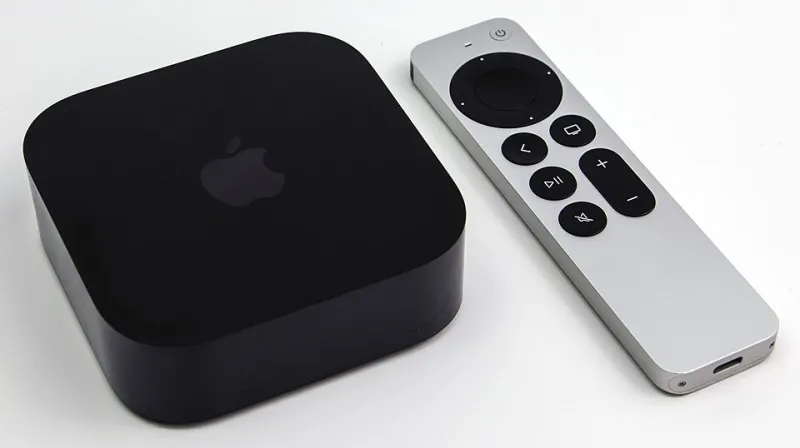
Apple TV+ is the outlier — Apple doesn't have a legacy library to mine, so it went all-in on original programming. Smaller catalog, higher quality average, and it's often bundled into Apple's ecosystem pricing.
AMC Networks, AMC+, BritBox, Shudder — the list keeps going. Even pure-play cable channels that nobody expected to go direct-to-consumer are out here asking for your credit card number.
Why They Did It (Follow the Licensing Math)
The business logic isn't hard to follow once you see it. When NBCUniversal licensed The Office to Netflix, Netflix got to keep all the subscription revenue generated by people staying for The Office. The show was consistently one of the most-watched titles on the platform. NBCUniversal got a licensing check. A big one, sure — but a one-time fee versus ongoing subscriber revenue isn't a close comparison at scale.
Pulling content back and putting it on your own platform means every person who subscribes to watch that show is now your subscriber. You own the relationship. You own the data. You keep the money.
For the studios, this was a no-brainer once the streaming model proved out. For viewers, it's a different calculation entirely.
The Fragmentation Problem Is Very Real
Let's be honest about what this has done to the average viewer's experience. Finding a specific show now requires knowing not just what it is, but which corporate entity produced it and whether that entity has since moved it, pulled it, or locked it behind a higher-tier subscription.
The content you want is scattered. A Marvel fan needs Disney+. Someone chasing prestige drama needs Max. Sports viewers are split between Peacock, Paramount+, ESPN+, and increasingly Amazon and Apple. Comedy fans might find themselves needing Hulu. Horror nerds have Shudder. British TV enthusiasts have BritBox.
Stack those up and you're looking at a monthly bill that starts to make the old cable package look reasonable. That's not an accident — media companies know exactly what they're doing.
Is Any Single Platform Worth the Standalone Price?
This is where it gets personal, because the answer depends entirely on your viewing habits. A few honest assessments:
Disney+ is a near-automatic yes if you have kids or you're a Marvel/Star Wars person. The bundle with Hulu and ESPN+ sweetens the deal considerably. Standalone, it's thinner for adults without those specific fandoms.
Max is hard to skip if you care about quality drama. The HBO programming alone — The Last of Us, Succession, White Lotus — represents some of the best television being made right now. The Discovery content padding around it is hit or miss, but the core HBO library justifies the price for serious TV watchers.
Peacock has been underestimated. Live sports, solid originals, and a surprisingly deep library make it one of the better value propositions, especially at its lower price tier.
Paramount+ lives and dies on whether you watch NFL on CBS, love procedural dramas, or have Yellowstone loyalty. If none of those apply, it's easy to skip.
Apple TV+ is the easiest recommendation to make conditionally — if you're already in the Apple ecosystem, you're probably getting it for nearly nothing through a bundle or device promotion. As a standalone purchase, the catalog is thin, even if the quality is high.
The Smart Move for Most Viewers
The platforms are betting you'll subscribe to everything out of FOMO and forget to cancel. Don't play that game.
Pick two or three platforms based on what you're actively watching right now, not what you might want to watch someday. Rotate subscriptions seasonally — sign up for Paramount+ when the new season of a show you care about drops, watch it, cancel. Come back when the next one starts.
Bundling is your friend when it's genuinely cheaper. The Disney/Hulu/ESPN+ bundle is a real deal. Verizon, Apple One, and various carrier promotions regularly include streaming services at steep discounts — check what your existing subscriptions are already offering before paying full retail.
And be ruthless about auditing what you're actually using. Most people are paying for at least one platform they haven't opened in three months.
What This Looks Like in Five Years
The fragmentation is probably going to get worse before it gets better. More niche players will launch, fail, or get absorbed into bigger bundles. Some of the smaller platforms — the ones without massive IP libraries or sports rights — will consolidate or disappear entirely.
The irony is that after years of everyone building their own walled garden, the industry is slowly starting to re-bundle. Streaming aggregators, virtual cable packages, and carrier deals are quietly recreating something that looks a lot like cable. Just digital, and with better on-demand options.
For now, though, you're the one navigating the maze. The networks made their move. Whether you follow them — and which ones you follow — is the only decision left in your hands.
Choose carefully. Your wallet is watching.