Why Streaming Platforms Keep Pulling the Plug Just as You Get Hooked

Photo: Jan Vašek, CC0, via Wikimedia Commons
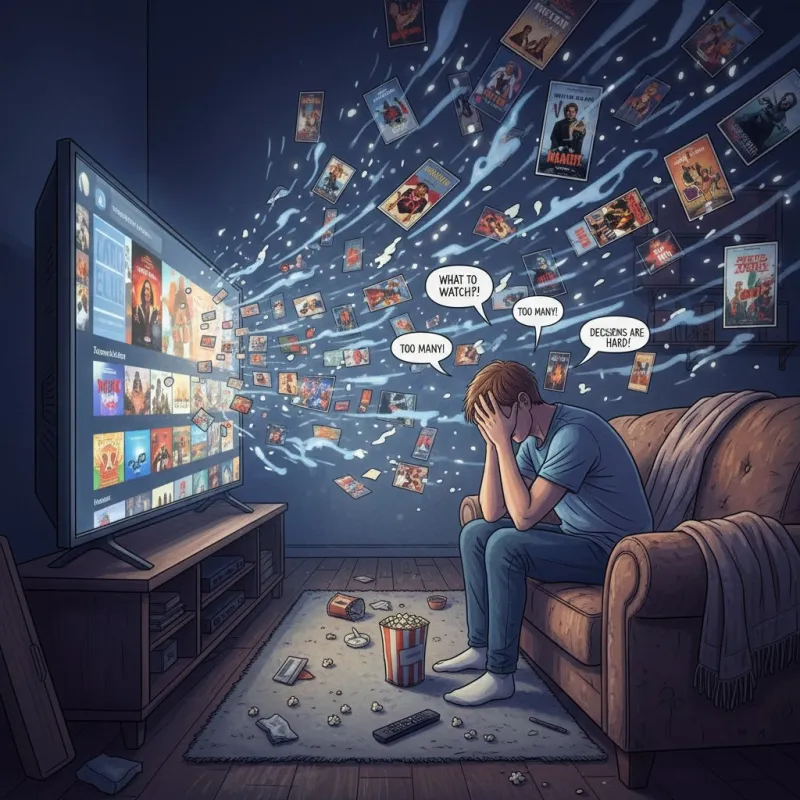
It happens with a kind of cruel regularity. You spend three weeks burning through a show that feels like it was made specifically for you — tight writing, a cast that actually clicks, a storyline building toward something genuinely exciting — and then the announcement drops. Cancelled. No second season, or worse, cancelled right after the sophomore run finally hit its stride. You're left holding an emotional investment with nowhere to put it.
This isn't bad luck. It's a pattern, and once you understand the economics behind it, the whole thing starts to make a grim kind of sense.
The Numbers Don't Lie (But Platforms Aren't Sharing Them)
Here's the frustrating reality: streaming services don't publish their viewership data in any standardized, transparent way. Netflix started releasing some weekly viewing hours in 2023, but even those figures are selectively curated. Peacock, Max, Paramount+, and Apple TV+ operate in near-total opacity. What we do know comes from third-party trackers, industry leaks, and the occasional candid comment from an executive who forgets they're on the record.
What the available data does tell us is striking. According to research from Ampere Analysis, the average streaming original series lasts fewer than two seasons before cancellation. That number has gotten worse, not better, as the so-called "streaming wars" have cooled into something more like a slow financial reckoning. Between 2022 and 2024, cancellation rates across major platforms increased by roughly 30% compared to the peak content boom years of 2019 to 2021.
The shows getting axed aren't just the ones nobody watched. Critically acclaimed series with dedicated fan communities — think Paper Girls, I Am Not Okay with This, The OA, Minx — have all met the same fate despite vocal audiences and strong review scores. Something else is driving these decisions.
The Subscriber Math Nobody Talks About
Streaming platforms don't think about shows the way fans do. To a viewer, a great show is worth keeping around because it's good. To a platform CFO, a show is worth keeping around only if it's driving subscriber acquisition or preventing churn — meaning it's convincing people to sign up, or convincing people who already subscribed not to cancel.
This distinction matters enormously. A show can have a devoted, passionate audience of two million people and still get cancelled if those two million were already subscribers before the show premiered. In that scenario, the series delivered zero new revenue. It just cost money to produce — often tens of millions of dollars per season.
What platforms actually want is what industry insiders call a "tentpole" series: something big enough and buzzy enough to make someone who doesn't currently subscribe pull out their credit card. That's why Stranger Things, The Last of Us, and House of the Dragon survive while smarter, quieter shows get quietly deleted from the library. Scale beats quality every single time in this math.
Why Season Two Is the Danger Zone
If you've noticed that a lot of cancellations happen after a second season rather than a first, you're picking up on something real. The first season of a new show is relatively cheap — budgets are modest, the cast isn't famous yet, and the production hasn't scaled up. But if a show gets a modest hit on its debut, the second season costs significantly more. Actors renegotiate contracts. Sets expand. The writers' room grows. Production quality ticks up to meet audience expectations.
So a show that cost $5 million per episode in season one might cost $9 million in season two — and if the subscriber bump from season two doesn't justify that cost increase, the math turns ugly fast. Platforms would rather end things there than commit to a season three budget that could balloon even further.
This is especially brutal for serialized storytelling. A show building a complex narrative over multiple seasons is exactly the kind of show that needs time to pay off. But it's also exactly the kind of show that looks like a financial liability on a spreadsheet before the payoff ever arrives.
Platform Differences Are Real
Not every streaming service cancels at the same rate or for the same reasons. Netflix has historically been the most aggressive canceller, operating on a model that prioritizes constant new content over nurturing existing series. The thinking is that subscribers are more likely to stay if there's always something fresh to discover, even if nothing sticks around long enough to become truly beloved.
Apple TV+, by contrast, has a notably higher renewal rate for its originals. This makes sense when you consider that Apple TV+ is less a standalone business and more a value-add for the broader Apple ecosystem. Keeping subscribers happy with quality content they can trust matters more than raw subscriber counts. Ted Lasso and Slow Horses getting multi-season runs isn't a coincidence — it's a different business strategy.
Max (formerly HBO Max) sits somewhere in the middle, still benefiting from HBO's legacy reputation for prestige television while dealing with the financial pressures that come with being part of the Warner Bros. Discovery corporate structure — a company that has, to put it charitably, made some aggressive cost-cutting decisions in recent years.
What You Can Actually Do With This Information
Understanding the system doesn't make a cancellation hurt less, but it can change how you engage with streaming content. A few things worth keeping in mind:
Watch early, watch loud. Platforms pay attention to first-week numbers. If you want a show to survive, watching it immediately after release and talking about it publicly — social media, recommendations to friends, reviews — genuinely moves the needle more than binge-watching six months later.
Don't sleep on the second season. Season two is where shows go to die on the spreadsheet. If you loved season one, season two is the one that needs your attention most urgently.
Follow the IP. Shows based on existing intellectual property — books, comics, existing franchises — have a built-in argument for renewal that original series don't. They can point to an existing fanbase and pre-sold awareness. Pure originals have to prove everything from scratch.
Manage your emotional investment. This sounds cold, but maybe don't go all-in on a new serialized drama until it's at least three seasons deep. Let other people do the first-adopter emotional labor and come back when you know it has a real ending.
The streaming landscape isn't going to get more stable anytime soon. Platforms are still figuring out what sustainable looks like after years of spending money like it was free. In that environment, the shows that survive will increasingly be the ones that serve a business goal, not just an artistic one. That's a genuinely depressing sentence to write — but it's the one that explains your cancelled favorites better than anything else.