Less Is More: The Case for Smaller Streaming Libraries and Why They're Winning
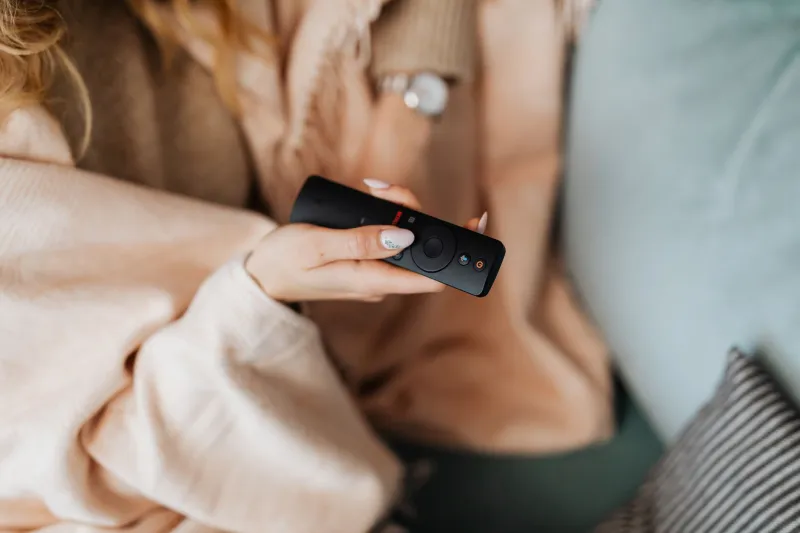
Here's a scenario that probably sounds familiar. You open Netflix, scroll for twenty minutes, feel mildly exhausted by the sheer volume of options, and end up rewatching something you've already seen. You didn't want to gamble on one of the thousand unfamiliar titles staring back at you. So you played it safe.
Now picture a different experience. You open a smaller platform — maybe Mubi, maybe Shudder, maybe the Criterion Channel — and there are maybe forty or fifty things in the catalog that feel relevant to you. You pick something within three minutes. You watch the whole thing. You feel satisfied.
That contrast isn't an accident. It's a phenomenon, and it's reshaping how a lot of people think about what "good streaming" actually looks like.
The Paradox of Too Many Choices
Psychologists have a name for what happens when you're confronted with too many options: the paradox of choice. The idea, popularized by Barry Schwartz, is that more options don't make us happier — they make us more anxious, more likely to second-guess ourselves, and less satisfied with whatever we do choose. Sound familiar?
Streaming services with massive catalogs have essentially built that paradox into their product. Netflix has somewhere north of 5,000 titles available in the US at any given time. Disney+ and Amazon Prime aren't far behind. The pitch has always been "more is better" — more content, more choice, more value per dollar.
But viewer behavior tells a different story. Completion rates — meaning the percentage of people who actually finish a show they start — tend to be significantly lower on platforms with sprawling libraries. When there's always something else one click away, committing to anything feels harder. You start a show, it takes an episode or two to get going, and instead of sticking with it, you bail. The library gave you an easy out.
What Niche Platforms Are Getting Right
Smaller, more curated platforms operate on a completely different logic. Take Shudder, the horror-focused streamer that's become a genuine destination for genre fans. Its library is comparatively tiny, but nearly everything in it was selected with a specific audience in mind. When you log on, you're not wading through romantic comedies and cooking competition shows to find what you want. The whole place is already pointed at you.
The result? Shudder users tend to be deeply engaged. They watch more of what they start, they return to the platform regularly, and they talk about it — which is free marketing that money can't fully replicate.
The Criterion Channel works the same way for cinephiles. Mubi does it for arthouse film lovers. Acorn TV has carved out a loyal niche with British and international dramas. None of these platforms are trying to be everything to everyone. They're trying to be exactly the right thing for a specific kind of viewer, and that focus pays off in ways the big numbers game doesn't always capture.
Constraint Breeds Creativity
There's another angle here that goes beyond viewer satisfaction: the content itself. When a platform can't throw money at a hundred different projects hoping a few stick, it has to be more deliberate about what it greenlights. That's not a limitation — it's a filter.
Shudder's original productions, like "The Witch" director Robert Eggers' early work and the anthology series "Creepshow," got made because the platform understood exactly what its audience wanted and committed to delivering it. The Criterion Channel doesn't produce originals, but its curation is itself a creative act — building a catalog that teaches viewers how to watch film, not just what to watch.
Contrast that with some of the content churn at the major streamers. Netflix, at its content peak, was reportedly spending $17 billion a year on programming. Not all of that money produced great television. A lot of it produced forgettable television that existed mainly to fill space and justify subscription fees. When you're spending that much, you stop asking "is this great?" and start asking "is this enough?"
The Satisfaction Gap Is Real
Viewer satisfaction data, while not always publicly released in full, paints an interesting picture when it does surface. Third-party tracking firms that monitor engagement and completion rates have repeatedly found that niche platforms punch above their weight. Users report higher satisfaction scores, stronger emotional connection to the content, and a greater sense that their subscription money is being well spent — even when the monthly fee is comparable to a major platform.
Part of this comes down to trust. When a smaller platform recommends something, there's an implicit promise: this fits what you're here for. When Netflix recommends something, it might be because an algorithm detected a surface-level similarity to something you watched, or because the studio paid for better placement, or because it's expiring soon and they want to juice the numbers before it leaves. The recommendation engine is murkier, and viewers sense that.
So Should You Drop the Big Guys?
Not necessarily — and that's not really the point. The major platforms still have plenty worth watching, and some of the best television of the last decade has come out of Netflix, HBO Max, and Amazon. The argument here isn't that big is bad. It's that small is underrated.
If you haven't tried building a streaming rotation that includes at least one niche platform alongside your main subscription, you might be surprised by the difference it makes. Knowing exactly what you're getting when you log on is genuinely refreshing. There's no decision fatigue, no twenty-minute scroll, no settling.
And honestly? Some of the most interesting stuff happening in TV and film right now is happening at the edges of the mainstream, on platforms that aren't trying to win every demographic simultaneously. The constraint that looks like a weakness from the outside is actually what's keeping the creative work sharp.
The Takeaway
The streaming industry spent years competing on volume. More titles, more originals, more everything. But the viewer experience that's actually resonating — the one people describe with words like "satisfying" and "reliable" — often comes from the opposite direction. Fewer shows, better chosen, aimed at people who actually want them.
That's not a paradox once you think about it. It's just good curation. And in a world where your attention is the most valuable thing you've got, a platform that respects that might be worth more than one that just tries to bury you in options.