Follow the Showrunner: Which Streaming Platforms Are Winning the War for Hollywood's Best Creative Minds

Photo by Photo by Jakob Owens on Unsplash on Unsplash
For a long time, the streaming wars were fought with checkbooks. Platforms threw billions at licensing deals, original content budgets, and celebrity cameos, all racing to answer the same question: who has the most stuff? But something shifted. The smartest platforms stopped competing over what they had and started competing over who was making it. The result? A full-blown talent arms race that's quietly reshaping where quality TV actually lives.
If you've noticed that certain platforms just seem to get it more than others lately — that their shows feel sharper, weirder, more alive — there's a reason for that. The showrunners, directors, and producers who built the golden age of prestige TV have been quietly signing exclusive deals, planting flags, and building creative homes on specific services. And that changes everything about how a smart viewer should think about their streaming lineup.
Netflix Still Plays the Long Game
Love it or hate it, Netflix hasn't lost its grip on the prestige creator conversation. The platform's overall deal strategy — locking top-tier talent into multi-year, multi-project agreements — has kept heavy hitters like Shonda Rhimes and Ryan Murphy in their corner. Murphy's output alone has been staggering: Monster, Dahmer, The Watcher, and more, all feeding into Netflix's true crime and prestige drama lanes with machine-like efficiency.
What Netflix figured out early is that audiences don't just follow shows — they follow voices. When Rhimes moved from ABC, her viewers followed. When Murphy came aboard, his fanbase came with him. The platform bet on brand loyalty to individual creators, and so far, that bet is paying off. The downside? When those deals expire or go sideways, the content pipeline dries up fast. Netflix is essentially renting creative empires, not building them.
Apple TV+ Is Playing a Different Game Entirely
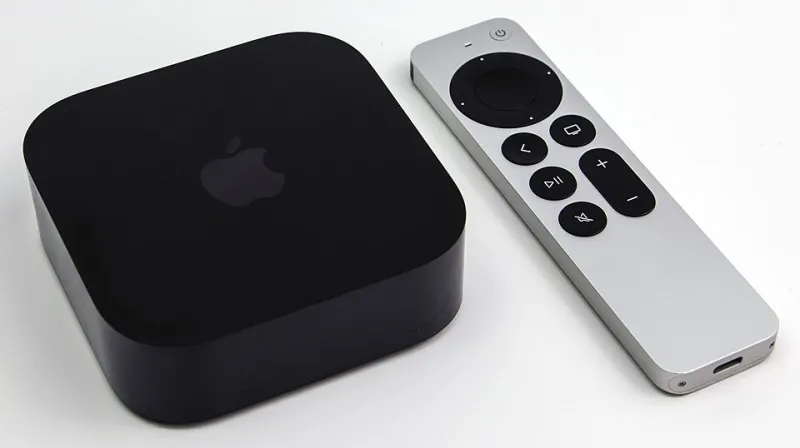
Apple TV+ doesn't have the library depth of Netflix or the sports rights of Peacock, but it has quietly assembled one of the most impressive rosters of prestige creator relationships in the business. The platform has built a reputation for giving creators breathing room — longer development timelines, less interference, and budgets that don't require cutting corners.
That approach has attracted filmmakers who might otherwise have stayed in theatrical. Directors like Martin Scorsese have found Apple TV+ to be a viable home for serious, adult-oriented storytelling. Add in the ongoing relationship with the team behind Severance and the broader drama slate anchored by The Morning Show, and you've got a platform quietly positioning itself as the HBO of the streaming era — minus the decades of brand recognition.
For viewers, the Apple TV+ calculus is straightforward: fewer shows, but a higher floor on quality. If a creator lands there, it's usually because they had options and chose the environment over the money.
HBO Max (Now Max) Isn't Going Anywhere
Max doesn't need to win the creator arms race because it arguably started it. HBO's decades-long reputation as the place where serious television gets made doesn't disappear just because a streaming layer got added on top. The platform continues to attract prestige-minded creators who want the HBO stamp of approval — that unspoken signal to the industry that says this is the real thing.
The ongoing relationship with creators like Issa Rae, whose production company has remained tied to Warner Bros. Television, and the continued output of showrunners who built careers on HBO originals, keeps Max in a strong position. The challenge is that the rebrand from HBO Max to Max created genuine confusion and some audience erosion. But the creative infrastructure underneath hasn't crumbled — it's just wearing a different name tag.
Amazon Is Spending Big and Betting Bigger
Amazon Prime Video has always been a bit of an outlier in the creator conversation. The platform has historically struggled with brand identity — is it a prestige drama destination? A genre playground? A place to watch stuff you forgot was included with your shipping subscription? The answer, honestly, is all three, which makes it hard to read.
But the Rings of Power investment — reportedly one of the most expensive TV productions ever made — signals that Amazon is willing to write checks that nobody else will. That kind of financial commitment attracts a specific type of creator: the ones with massive, expensive visions that no other platform would greenlight. Whether that translates into a coherent creative identity is still an open question, but the platform has been making noise in the showrunner space with deals that prioritize scale over intimacy.
FX on Hulu: The Quiet Overachiever
If there's an underrated player in the creator loyalty conversation, it's FX. The network-turned-streaming-brand has maintained a remarkable track record by doing something almost no one else in the space does consistently: leaving creators alone. Noah Hawley built Fargo and Legion there. Donald Glover created Atlanta there. The FX brand, now distributed through Hulu, has become a genuine creative haven for showrunners who want to take swings without a committee second-guessing every decision.
The platform doesn't have Netflix's reach or Amazon's budget, but it has something arguably more valuable in the long run — a reputation for creative integrity. Showrunners talk to each other. When the word gets around that FX lets you make the show you actually want to make, that becomes a competitive advantage that money can't easily replicate.
What This Means for You, the Viewer
Here's the practical takeaway: if you're trying to figure out where to point your streaming budget, stop thinking about shows and start thinking about creators. Find the showrunners, directors, and writers whose work you love, figure out where they've planted their flag, and let that inform your subscription decisions.
The old model — subscribing to whatever platform has the most titles — is basically dead. What matters now is creative density. Which service has the highest concentration of people whose judgment you trust? That's where your money should go.
The streaming landscape in 2024 isn't really a content war anymore. It's a talent war. And the platforms that are winning it aren't necessarily the ones with the biggest libraries or the loudest marketing — they're the ones that figured out how to make the best creators feel at home. Find those platforms, and you'll find the shows worth watching.
The rest is just noise.